
Your watch counts.
You feel.
We read both.
Octa Body puts a 60-second morning check-in next to the data from your wearable, compares both with your own normal, and gives you one clear call for the day.
Train, but keep it moderate. Your watch looks fine, but sleep quality and soreness are below your normal.
Every device. One morning read.
Your ring has one app, your watch another, your sleep a third. Signals get lost between them. Octa Body brings them together and reads them against one usual: yours.
Connect once. We read what each device does best.
Sleep and HRV from your ring, workouts from your watch, your sleep from your phone if you wear nothing at all. Then your 60-second check-in on top. Your device's own score stays its own, shown beside ours.
Wear more than one? Octa Body combines them into one morning read, so nothing gets counted twice and nothing gets missed.
Device names and logos belong to their owners and are shown to indicate compatibility only. We list a device as live once a member can actually connect it.
Your body, read every morning.
Six things Octa Body does for you, before you've had your coffee.
One number. The reason it moved.
↓ 17 vs your usual
Sleep quality and soreness are below your normal. Train, but keep it moderate.
Tracked by your watch, or just your phone.
HRV against your own range.
usual 52–61 ms · last 14 nights
One question when a night stands out.
Tuesday · heart rate asleep +6 above your usual. What was different?
Your habits, tested on your data.
Nights after saunaHRV +6 ms
Training that knows what it cost you.
Your week's load, the sessions that took the most out of you, and how your nights answered.
Fitness level
VO₂max 46 · estimated by your device
Same numbers.
Different morning.
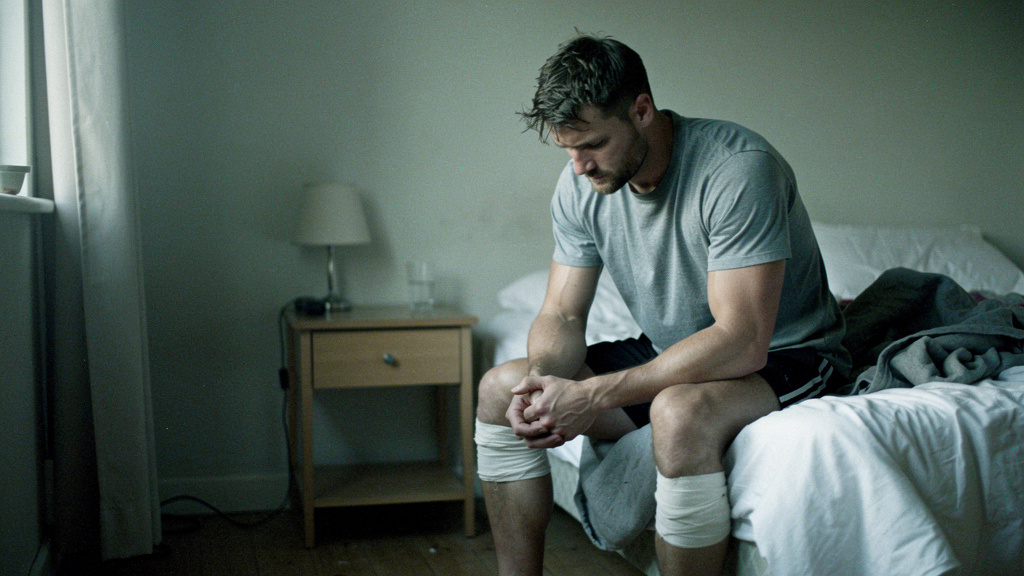
Two people can wake up with the same HRV, the same sleep and the same resting heart rate. One is ready to train hard. The other has a deadline, a sick child and legs still heavy from Saturday. Their watch gives them the same score.
Wearables are good at measuring your body. They can't ask how you feel, and how you feel is often the first thing to change.
A review of 56 studies found that athletes' own ratings of how they felt responded to training load more sensitively and more consistently than commonly used objective measures.
Saw, Main & Gastin, British Journal of Sports Medicine, 2016;50:281–291Your watch IDENTICAL
How you feel CHECK-IN
Sixty seconds.
One clear call.
Check in
Seven quick questions: sleep, energy, mood, stress, recovery, motivation and soreness. Each one is a single tap from 1 to 5, based on questions used with professional athletes.
Compare with your normal
Your answers and your wearable's data are measured against your own last 28 nights. Never against other people, and never against an average body.
Get one call
Push, hold or recover, with the reason it moved. No wall of charts, just what matters today and why.
Try it: tap your answers on the phone. The grey line under each row marks an example "normal".
When they agree, you get certainty. When they don't, you get the insight.
Every morning Octa Body lines up what your watch measured with what you reported. The four possible combinations each lead to a different call.
Go.
Body and mind agree. A good day to push the session you planned.
Train, and watch it.
Often a late night, alcohol or travel. Start the session and stop early if it doesn't come together.
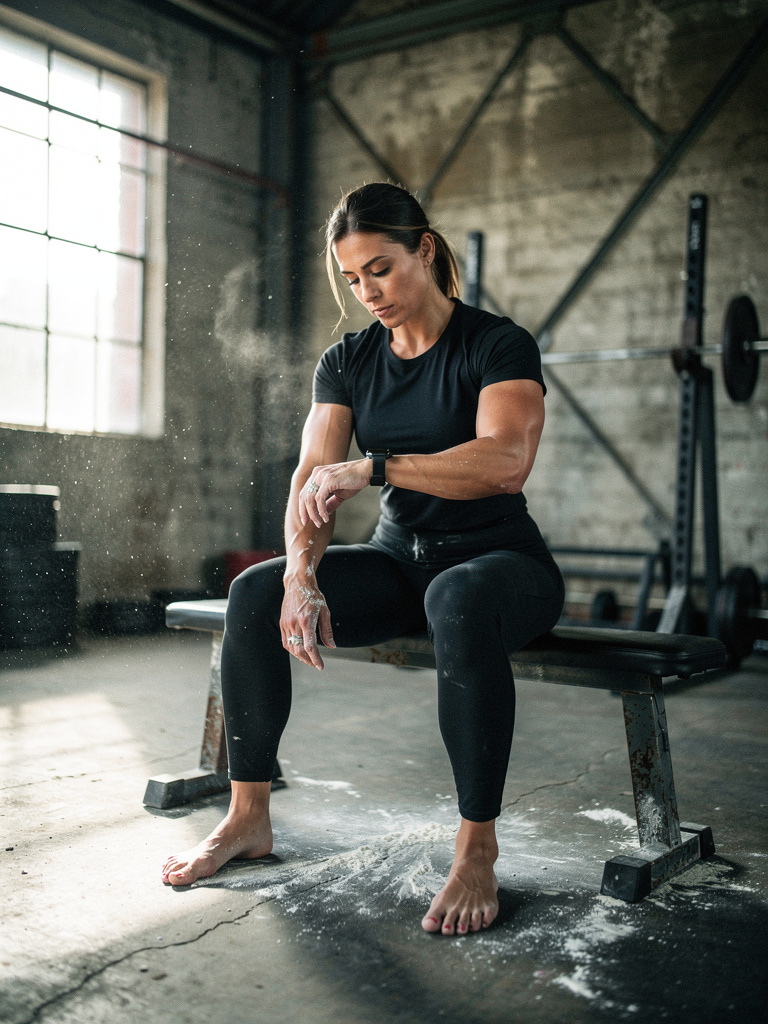
This is the one your watch misses.
Stress, soreness or low motivation that doesn't show up in your HRV yet. We flag it and point to the item that dropped.
Recover.
Both signals say the same thing. Keep it light today and protect tonight's sleep.
We don't just show two scores. We tell you why they're different.
Your ring might say 82 while Octa Body says 64. Most apps would leave you to pick one.
Every night, Octa Body reads each score against its own usual, not ours. If the two move apart, we find the reason: a hard session yesterday that your device weighs differently, a short night, a heart rate that stayed high. If there's no clear reason, we ask you how you actually felt, on a scale of 1 to 5. Over time you learn which score tracks your mornings best.
The device's score is always shown as the device's own. We never blend it into ours.
Your ring counts last night's sleep. We also saw yesterday's long run in your heart rate.
Tap a number. Your answer shows us which score tracks your mornings.
Example dataOne question when a night stands out.
When a night moves well past your usual and nothing was logged, Octa Body flags it and asks what was different.
A stressful day, a late dinner, a drink, travel, a hard session, being unwell. There are 20 one-tap reasons, plus your own words if none fit. About 20 seconds each. Change your mind? Undo it right there.
After about ten answers for the same reason, Octa Body can show you what it does to your nights, in your own numbers.
Your heart rate asleep was 6 above your usual. What was different?
Pick one or more. About 20 seconds.
Example dataEnough to know your usual from day one.
Your Saturday nights run hotter than the rest of your week.
Connect your device, and see what it already knows about you.
If your watch or ring has history, Octa Body reads it the moment you connect.
You get your usual ranges for HRV, resting heart rate, heart rate asleep and sleep, your sleep regularity, and the patterns that repeat. Then we ask a few questions only you can answer, so the picture is right from the start.
Up to 203 checks on your own data, every time you look.
Octa Body tests 19 things you do (your sessions, sauna, late nights, drinks, naps, early bedtimes and more) against up to 11 things your body does (recovery, HRV, resting heart rate, sleep length and quality, and how you said you felt). That's up to 203 comparisons for every member, re-run every time you open Insights.
We remove comparisons that would only prove themselves. "Short nights make your sleep shorter" is not a finding.
Try one thing. Pick one habit and test it for two weeks. Octa Body tells you if it moved your numbers or not.
19 × 11 = 209 pairs · 6 removed · 203 tested
IllustrationHRV +6 ms vs your usual
Every number, in plain English.
Most apps show you metrics and leave you to work out what they mean. Here's what each one is, what moves it, and how Octa Body reads it for you.
We only compare you with you.
A 6 out of 10 on sleep can be your best week or your worst. Octa Body learns your usual range from your own last 28 nights, so a score means something for your body, and a drop gets noticed before it becomes a bad week.
Your personal read starts on night 7. Your usual firms up by night 28. If your watch or ring already has history, we read it on day one, so you don't start from zero.
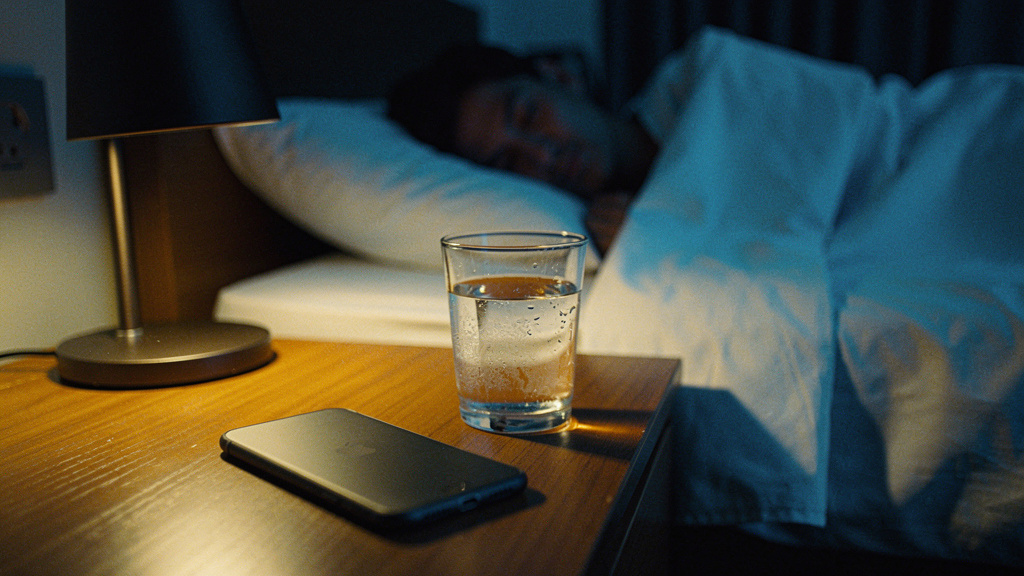
Leave it on the bedside table. That's the whole setup.
Your phone tracks your sleep.
Leave your phone on the bedside table. Octa Body uses its motion sensors, and the microphone if you allow it, to read your night. Audio is processed on the phone and never uploaded.
A coach that checks on you.
Most apps wait for you to open them. Octa Body reaches out when it matters, and stays quiet when it doesn't.
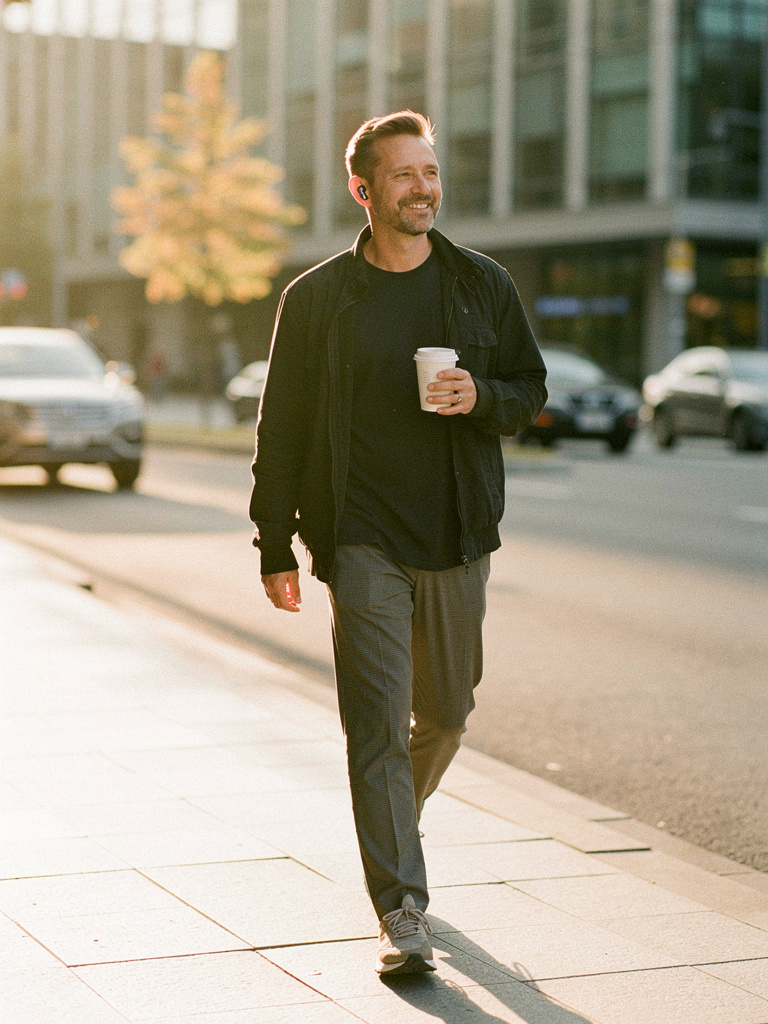
Morning. One minute to check in?
No check-in yet today. Takes 60 seconds.
Tuesday stood out. What was different? About 20 seconds.
Example messages
What to expect, day by day.
A readiness score is only useful once it knows you. Here is exactly how Octa Body gets there.
Link your watch or ring, or skip it. If it has history, we read it straight away: your usual ranges, your patterns, and a few questions only you can answer.
You see your device's own numbers next to your check-in while Octa Body learns you.
Octa Body scores your mornings against your own usual, with the reason it moved.
Your 28-night baseline is built. Flagged nights and "why the scores differ" get sharper.
Up to 203 checks on your own data show which habits actually move your nights. Or test one for two weeks.
Keep your watch. Add what it can't do.
Swipe to compare →
| Octa Body | Your watch's app | Typical wellness app |
|---|
Built on research, not trends.
Octa Body uses methods from published sports-science research. Here are the ideas it rests on, with the papers behind them.
Your own ratings are a sensitive signal.
Across 56 studies, athletes' self-reported wellbeing responded to training load more sensitively and consistently than commonly used objective measures such as blood markers and heart rate.
Saw AE, Main LC, Gastin PB. Br J Sports Med 2016;50:281–291.Compare with your own baseline.
For HRV, rolling averages against an individual's own baseline track adaptation to training better than single-day readings or population norms.
Plews DJ, Laursen PB, Stanley J, Kilding AE, Buchheit M. Sports Med 2013;43:773–781.When you sleep matters, not only how long.
The Sleep Regularity Index measures how consistent your sleep is from day to day. Irregular sleep was linked with lower performance, independent of total sleep.
Phillips AJK et al. Scientific Reports 2017;7:3216.The seven check-in questions follow the style of short wellness questionnaires used to monitor professional athletes. Octa Body's scoring method is our own and is reviewed as the research moves. 129 studies sit in our evidence register, each graded and linked to the rule it supports.
Numbers you can hold us to.
Physiological limits on every incoming value. Impossible readings are set aside, never scored.
Markers read against your own usual, every night.
Behaviour × outcome checks in What works, per member.
Engine self-checks, nightly and after every change.
Studies in our evidence register, each graded and linked to the rule it supports.
One-tap reasons for a flagged night, plus your own words.
These are counts of what Octa Body actually runs, taken from our production system on 30 September 2026.
No black boxes.
Health data deserves more than trust-us. Here is where your data goes, what we do with it, and what we'll never do.
Oura and Apple Health today, more before launch, or just your phone overnight.
Your device data arrives through official, encrypted connections and is checked against 31 physiological limits. Impossible readings are set aside.
Reads your raw signals and your check-in, and compares everything with your own usual (the last 28 nights). Your device keeps its own score.
One call for the day, with the reasons behind it.

Made in South Africa by people who've lived it.
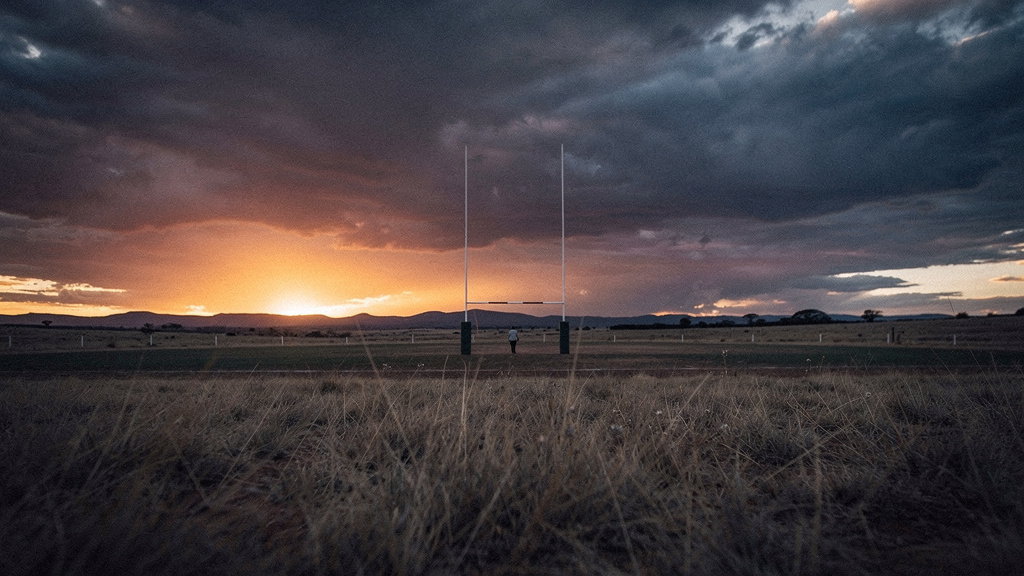
Octa Body was founded by Renaldo Bothma, a former professional rugby No. 8 who played for the Bulls, Sharks, Pumas and Harlequins, and captained Namibia. A knee injury ended his career. He built Octa Body around the question every good coach asks first: how are you feeling today?
Recovery partner: botthms
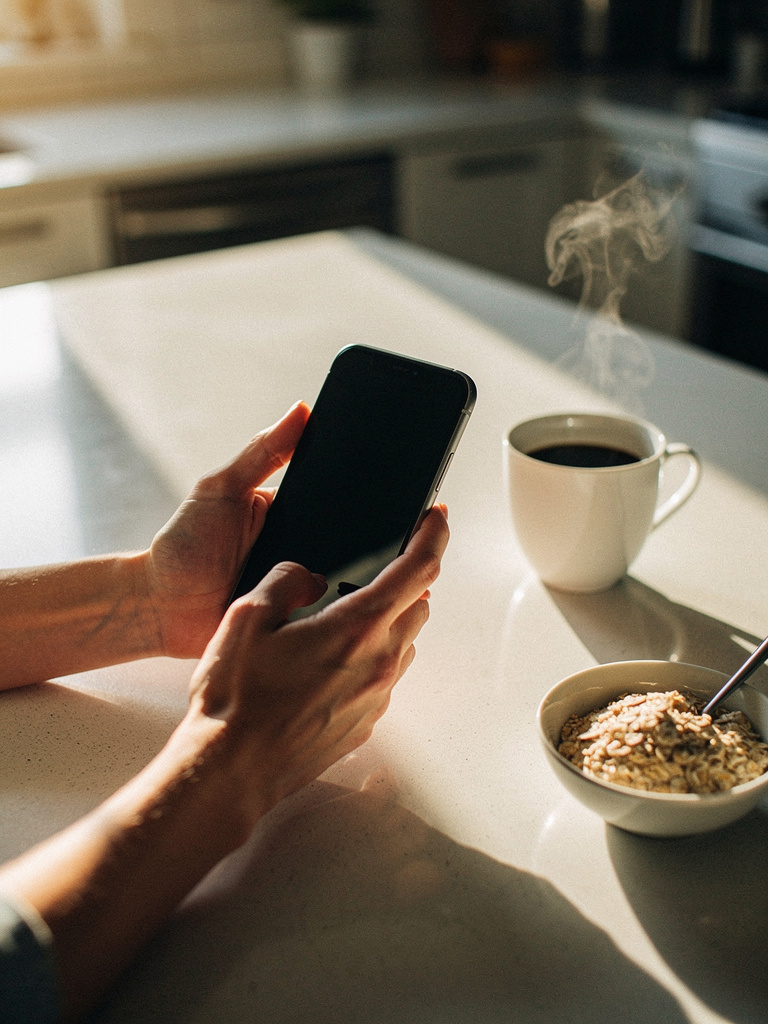
Up and running before your coffee's done.
Free to download for iPhone and Android.
One tap for Oura or Apple Health, with more devices connecting before launch. No watch? Your phone handles sleep.
Seven taps, sixty seconds. Tomorrow morning you'll get a reminder.
Join the founding members to get the download link first.
Be first on Octa Body.
- The download link before public launch
- Founding-member pricing, locked in
- A direct line to the team building it
Do I need a watch?
No. Your check-in and phone-based sleep tracking work on their own. If you wear a watch or ring, Octa Body adds its data to the picture.
Which devices work with Octa Body?
Oura and Apple Health today. Garmin, Polar, Suunto and Fitbit are being connected before public launch. Samsung Health, Google Health Connect, Strava, WHOOP, Ultrahuman, Coros and Xiaomi are planned after that. We only mark a device live once a member can actually connect it.
How is this different from my watch's own score?
Your watch scores what it can measure. Octa Body adds how you feel, compares both with your personal normal, and tells you when the two disagree. That disagreement is often the most useful signal.
How long before my score is personal?
If your device has a few weeks of history, your first look is ready on day one. Otherwise your personal read starts on night 7 and settles by night 28. Until night 7, your device's own number stands in.
Does it track sleep stages?
No. Phone-based tracking can't reliably detect REM or deep sleep, so we don't claim to. We measure duration, efficiency, time to fall asleep, wake-ups, restlessness, snoring and regularity.
Is Octa Body a medical device?
No. Octa Body is a wellness and performance tool. It doesn't diagnose or treat any condition. If something feels wrong, speak to a doctor.
How much will it cost?
Octa Body will be free to download. Founding members get a locked-in price on the full membership, announced before launch.
What happens to my data?
It's yours. We never sell it, you can export it or delete it at any time, and sleep audio never leaves your phone.